Are Hyundai Good Cars? A Used-Car Dealer’s Honest Guide (2026)
Table of Contents
- Key Takeaways
- Hyundai’s Reputation: How They Went From “Cheap” To Competitive
- Are Hyundai Good Cars Overall? Reliability & Longevity
- Best Used Hyundai Models To Consider In 2024
- Hyundai vs. Other Brands: How Do They Compare?
- Pros Of Buying A Used Hyundai
- Cons And Common Issues To Watch For With Hyundai
- What To Check Before You Buy A Used Hyundai
- Buying A Used Hyundai From Merit Auto Group In Jacksonville, FL
- FAQ: Hyundai Reliability And Buying Tips
If you’re shopping for a reliable used vehicle and wondering whether Hyundai deserves a spot on your list, you’re asking the right question. At Merit Auto Group in Jacksonville, Florida, we’ve seen firsthand how Hyundai has evolved into a leader in the automotive market, consistently delivering value, comfort, and dependability for everyday drivers.
Key Takeaways
- Most modern Hyundai models (roughly 2013–2024) are generally good, reliable cars, especially when bought used at the right mileage and with a clean history. The brand has transformed its quality since the early 2000s and now ranks competitively on reliability.
- Hyundai often offers more features for the money than rivals like Honda and Mazda, making models such as the Elantra, Sonata, Tucson, and Santa Fe smart choices for budget-conscious car buyers.
- Popular used Hyundai models can easily exceed 150,000–200,000 miles with proper maintenance, and the brand’s stronger depreciation makes them excellent value on the used market.
- Hyundai vehicles can help buyers save money through lower purchase prices, excellent fuel economy, and affordable maintenance costs compared to many competitors.
- At dealerships like Merit Auto Group, buyers get additional peace of mind through inspections, free CARFAX reports, and limited warranties that protect against common used-car concerns.
- Potential downsides include certain engine issues on specific model years, faster depreciation than Toyota, and the importance of buying from a reputable dealer that verifies recalls and maintenance history.
Hyundai’s Reputation: How They Went From “Cheap” To Competitive
Back in the 1990s, Hyundai was the brand your neighbors joked about—cheap sticker prices paired with frequent breakdowns and a reputation for subpar build quality. Fast forward to today, and Hyundai stands as a globally respected company that regularly competes with established Japanese leaders in reliability rankings and customer satisfaction. Specifically, Hyundai has closed the gap with Toyota and Honda in terms of reliability and owner satisfaction, making it a strong alternative for buyers who previously only considered Japanese brands.
The turnaround began in earnest around 1999, when Hyundai introduced its now-famous 10-year/100,000-mile powertrain warranty in the U.S. market. This wasn’t just a marketing gimmick—it was a bold message that the company was confident enough in its engineering to back it with industry-leading coverage. That confidence came from substantial investments in factory inspections, supplier standards, and root-cause defect analysis throughout the 2000s.
By the late 2000s, major redesigns started changing perceptions. The 2011 Sonata and Elantra arrived with sleek styling, improved interiors, and reliability that actually matched the promises. J.D. Power initial quality and dependability studies began reflecting this shift, and Consumer Reports owner satisfaction surveys showed marked improvement for Hyundai models produced after 2010.
Through the mid-2010s, vehicles like the Genesis sedan demonstrated that Hyundai could even compete in near-luxury segments, offering technology, safety features, and refinement at price points well below German competitors. The Genesis is an exception in the mid-size luxury car segment, standing out for its quality and value compared to both mainstream and luxury rivals. This decade of consistent improvement transformed how consumers and industry experts view the brand.
In our experience at Merit Auto Group here in Jacksonville, later-model Hyundais from 2015 and newer tend to have fewer major issues when they’ve been maintained properly. We routinely see these vehicles arrive on our lot with clean histories and plenty of life left in them, which is why we’re comfortable stocking them for our customers.
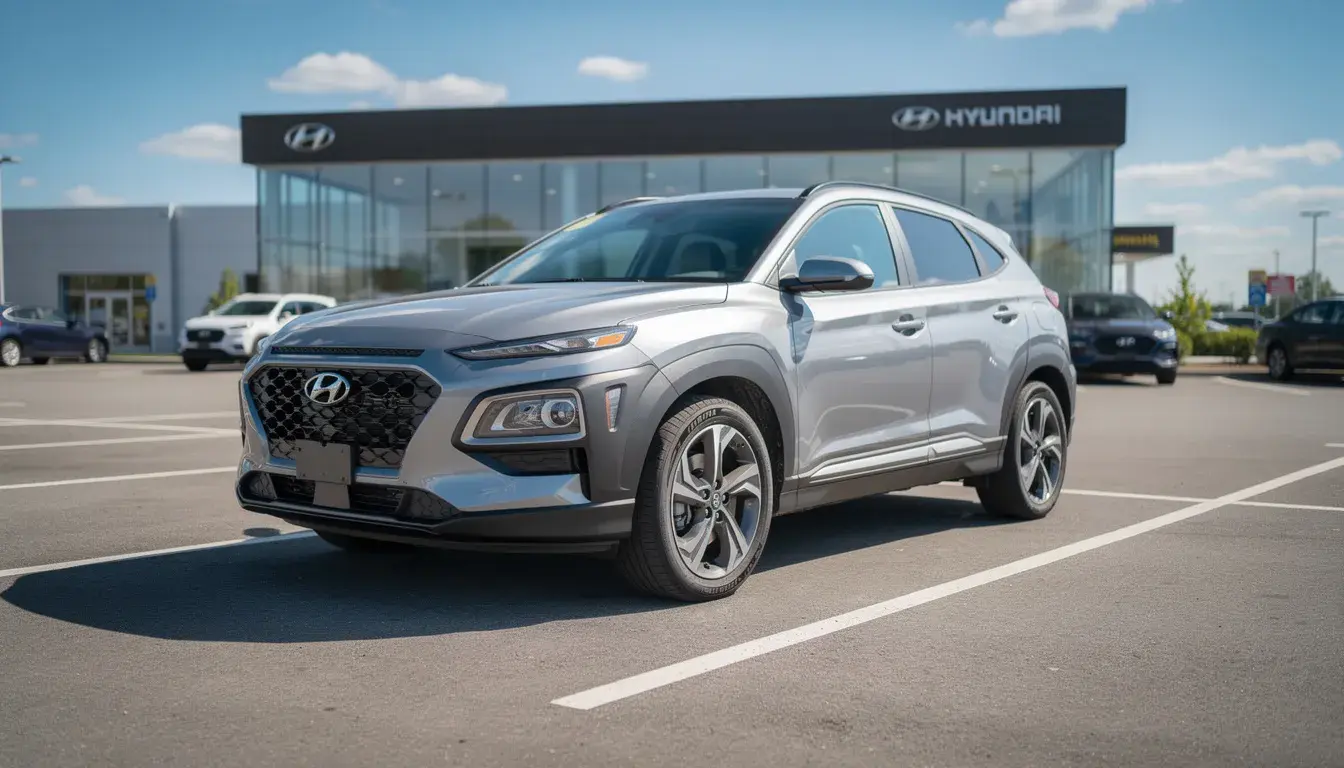
Are Hyundai Good Cars Overall? Reliability & Longevity
For most drivers shopping the used market, late-model Hyundai vehicles built after roughly 2013 represent a solid choice. Models like the Elantra, Sonata, Tucson, and Santa Fe have established track records of dependable performance when owners keep up with routine services.
Typical lifespan expectations for well-maintained Hyundais often reach 180,000 to 220,000 miles. With regular oil changes, timely transmission services, and attention to scheduled maintenance intervals, these cars can serve families and commuters reliably for a decade or more. At our dealership, we routinely inspect 8-to-10-year-old Hyundais with over 120,000 miles that are still running strong and ready for their next owner.
Hyundai’s long factory warranties—10 years and 100,000 miles on the powertrain, plus 5 years and 60,000 miles bumper-to-bumper when new—reflect the company’s confidence in its engineering. While most of this coverage applies only to original owners, it signals that the brand stands behind what it builds. RepairPal currently assigns Hyundai an overall rating of 4.0 out of 5.0, placing it 4th out of 32 car brands based on repair frequency, severity, and cost.
When you compare Hyundai to Japanese brands like Toyota, Honda, and Mazda, the differences are narrower than many shoppers expect. Toyota still generally leads in long term reliability and resale value, but Hyundai is typically on par with Mazda in recent model years and often close to Honda depending on the specific vehicle. However, Hyundai vehicles can lose value more quickly than some competitors, which may impact their resale value over time. The average annual repair cost for Hyundai sits around $468—below the industry average—making it an economical choice for ownership over time.
Best Used Hyundai Models To Consider In 2024
This section highlights specific models and year ranges that tend to be smart used buys for Jacksonville-area drivers. Whether you need an affordable commuter, a family-friendly SUV, or something in between, Hyundai’s lineup offers options worth considering.
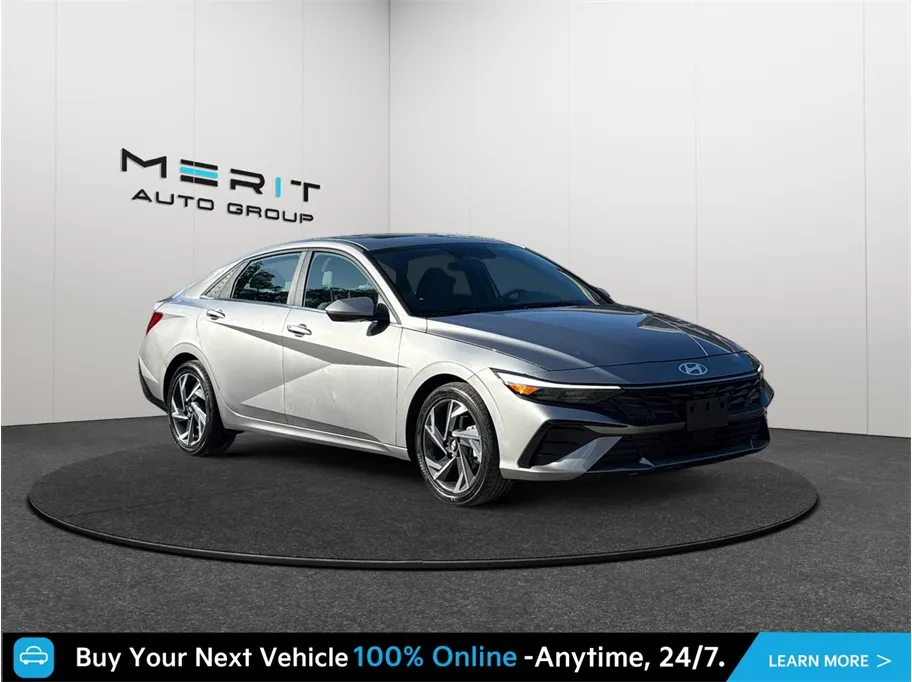
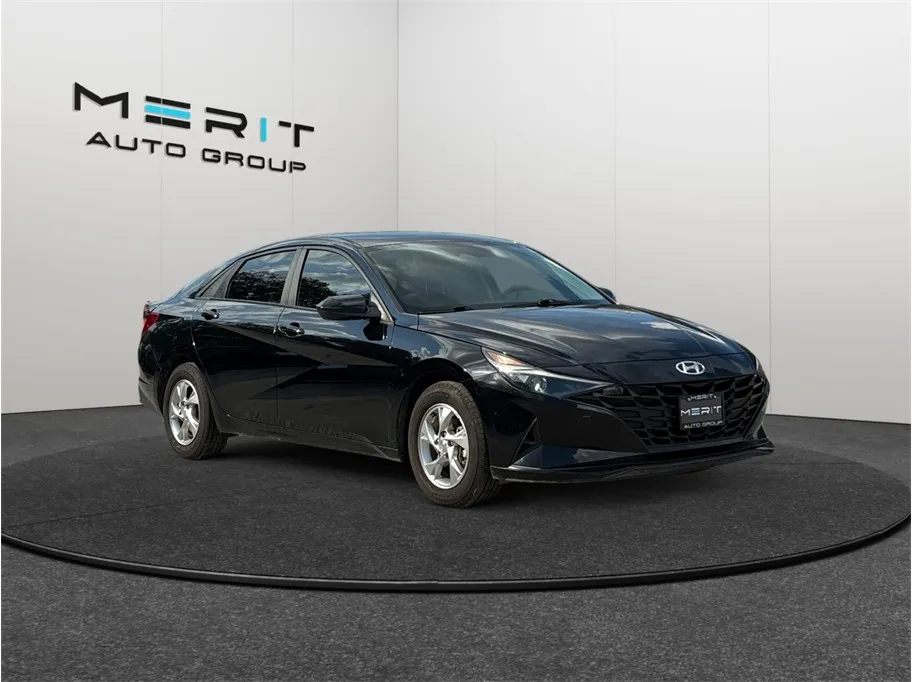
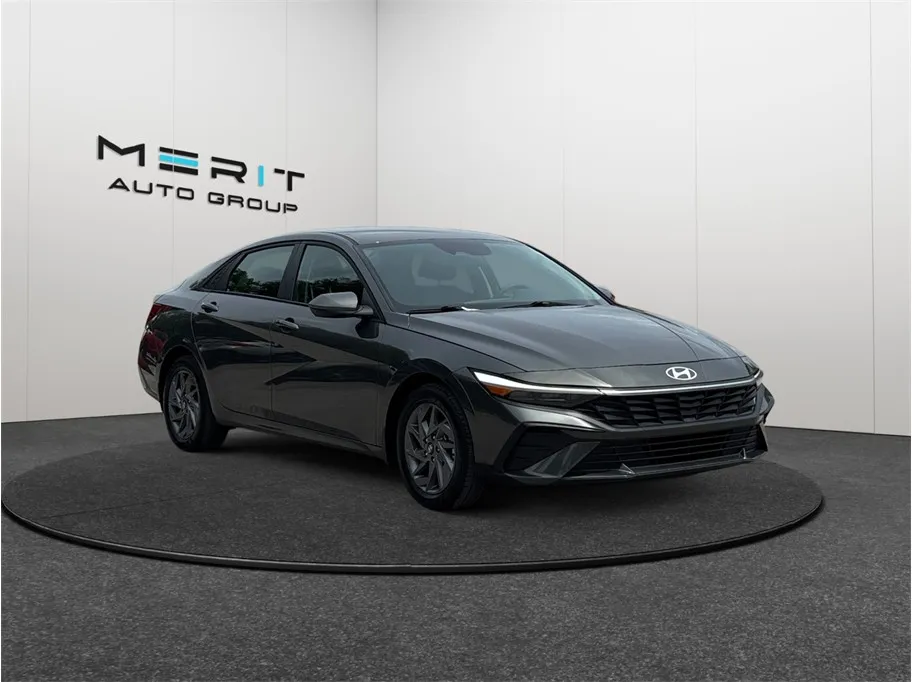
Hyundai Elantra (2014–2020)
The Elantra stands out as an economical compact sedan with impressive fuel economy—often around 30 to 35 mpg combined on many trims. This makes it ideal for commuters dealing with daily drives along I-95 or I-295, where efficiency directly impacts your wallet.
Trims like the SE, SEL, and Limited offer comfortable daily driving with features like Bluetooth connectivity, backup cameras, and touchscreen infotainment. For buyers interested in a bit more performance, the Elantra Sport and N Line variants deliver spirited driving without sacrificing the model’s core practicality. First-time buyers and students often find the Elantra’s low operating costs particularly attractive.
Hyundai Sonata (2015–2019, 2020 Refresh)
The Sonata serves as Hyundai’s mid-size family sedan, offering a roomy interior, strong crash-test scores, and available advanced safety features like Blind-Spot Detection and lane-keep assist. Consumer Reports and other publications have consistently noted the Sonata’s good value proposition for buyers seeking space and features without luxury pricing.
Later models from 2018 and 2019 often come equipped with Apple CarPlay and Android Auto integration, plus comfortable highway rides that make longer trips less fatiguing. The 2020 refresh brought a dramatic redesign, but the 2015–2019 generation remains a reliable sweet spot for used car buyers seeking proven longevity.
Hyundai Tucson (2016–2021)
As a compact SUV, the Tucson delivers easy maneuverability for city driving, decent cargo space for weekend projects, and available all-wheel drive for those occasional trips to the beach or light off-road adventures. Small families and active individuals often find it hits the right balance of size and capability.
J.D. Power awarded the 2026 Tucson the top spot among compact SUVs with an 83/100 quality and reliability score, and earlier models from 2019–2021 benefited from updates in safety technology and infotainment systems. If you’re looking for a versatile vehicle that handles daily errands and road trips equally well, the Tucson deserves consideration.
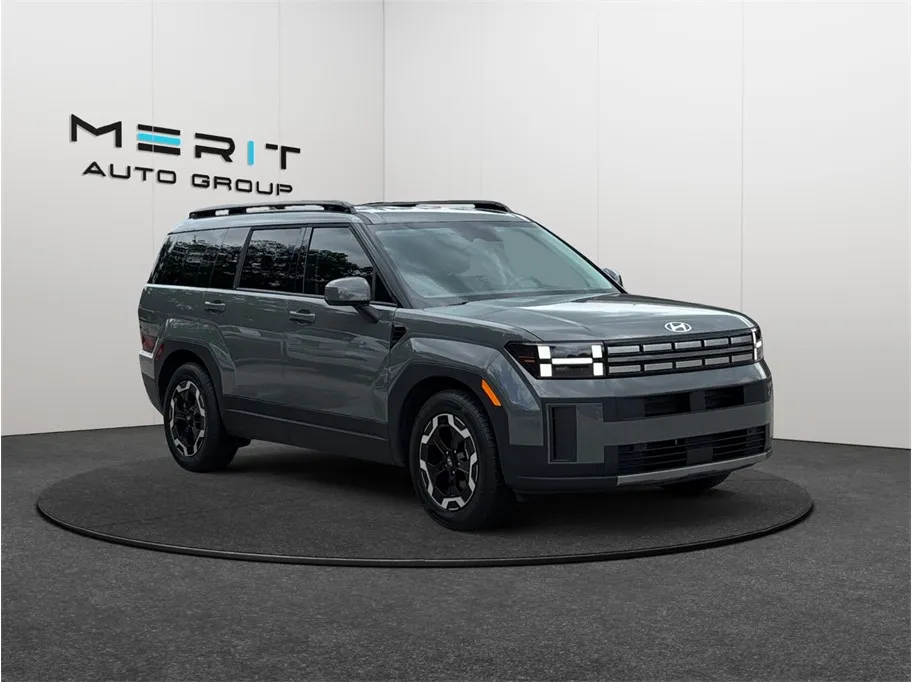
Hyundai Santa Fe (2013–2018 “Sport” and 2019–2020)
The Santa Fe offers more interior space than the Tucson, making it well-suited for families who need room for road-trip comfort, sports equipment, or multiple car seats. Strong safety scores have been a consistent feature across model years, and certain configurations offered optional third-row seating for added flexibility.
Naming conventions can be a bit confusing—earlier generations distinguished between the Santa Fe Sport and the larger Santa Fe—but both variants share Hyundai’s commitment to value and features. The 2019–2020 models received updated styling and technology that keep them feeling relatively modern on today’s roads.
Hyundai Santa Cruz and Palisade (For Newer Used Vehicles)
For shoppers open to newer used vehicles with relatively low miles, the Santa Cruz (introduced for 2022) offers a unique proposition: a lifestyle pickup with SUV comfort and light-duty truck utility. As Hyundai's entry into the trucks segment, the Santa Cruz demonstrates the brand's approach to combining the versatility of trucks with the comfort of SUVs. It won’t replace a full-size truck for heavy hauling, but it handles weekend projects and outdoor adventures with style.
The Palisade (2019 and newer model years) represents Hyundai’s flagship three-row SUV, packed with features typically found in luxury brands at a fraction of the price. Larger families looking for space, comfort, and technology often find that pre-owned Palisades deliver exceptional good value compared to competitors from other brands.
While Hyundai is not as well-known for vans, it does offer a range of vehicles including vans in some markets, especially within the growing segment of electric vehicles.
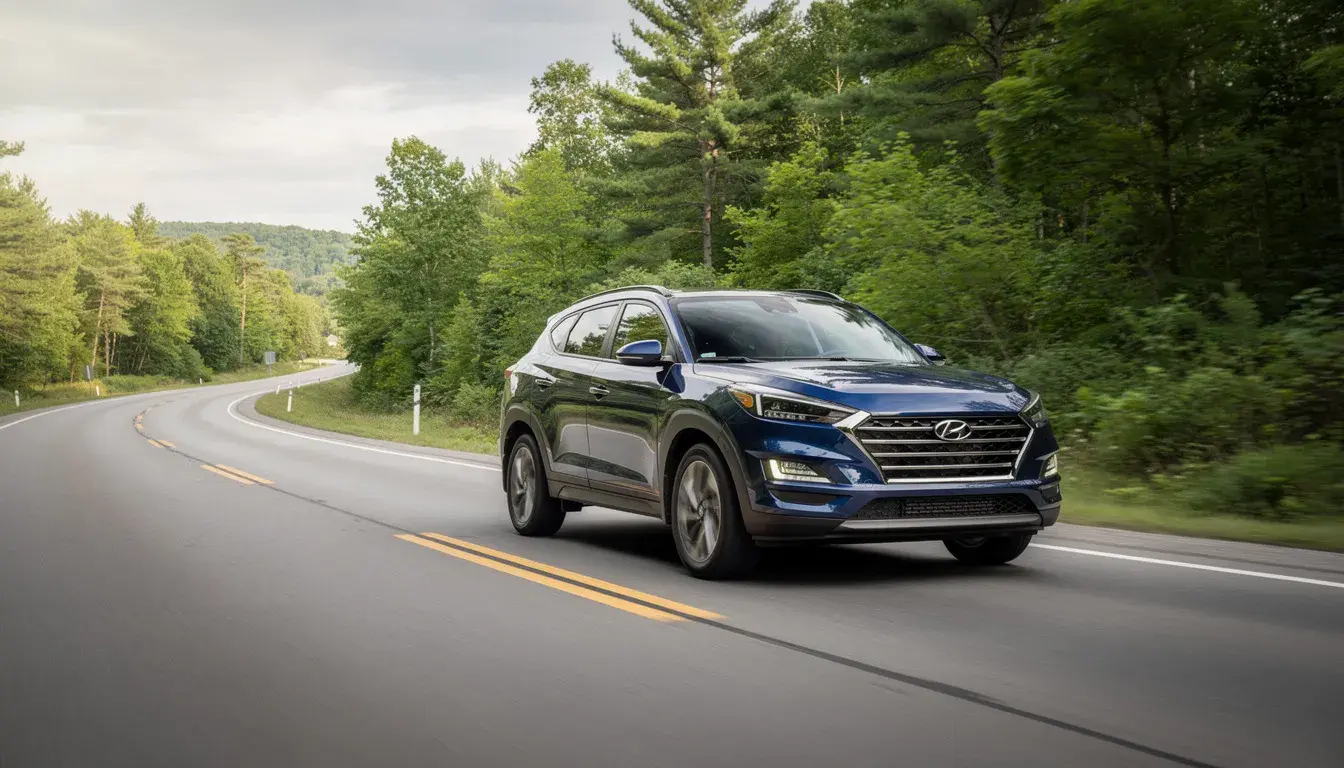
Hyundai vs. Other Brands: How Do They Compare?
When you compare Hyundai against competitors like Honda, Mazda, Toyota, and Kia, the conversation has shifted dramatically over the past two decades. Hyundai now competes directly with these established brands in reliability, features, and overall value—a difference that surprises many shoppers still holding onto outdated perceptions.
Hyundai vs. Toyota
Toyota still generally leads in long-term reliability and resale value, and that’s worth acknowledging honestly. If you’re keeping score purely on predicted longevity across the broadest range of models, Toyota maintains a slight edge. However, Hyundai often offers more standard features and technology at a lower price point on the used market, which means buyers can frequently afford a newer or better-equipped Hyundai for the same budget that would buy an older or base-trim Toyota.
Hyundai vs. Honda and Mazda
Honda and Mazda have earned strong reputations over decades of building cars with devoted followings. That said, some Honda models—particularly older ones—have experienced transmission concerns that occasionally surprise buyers who assumed Japanese meant flawless. Mazda has generally been reliable but often commands higher used prices relative to features offered.
For many used buyers we work with, Hyundai’s lower purchase price, comfortable interiors, and warranty history outweigh small differences in predicted reliability ratings. When you’re stretching a budget, paying less upfront for a well-inspected Hyundai can represent a better deal than paying a premium for a competitor with comparable expected performance.
Hyundai vs. Kia
Hyundai and Kia share parent company ownership, many platforms, and several powertrains, which means they offer similar reliability and driving dynamics. The brands aren’t identical, though—Hyundai often focuses slightly more on refinement and ride comfort, while Kia may lean into styling and sportiness, particularly with models like the Stinger and the redesigned Sportage.
For practical purposes, choosing between Hyundai and Kia often comes down to specific model features, styling preferences, and available inventory rather than fundamental quality differences. Both brands offer strong value propositions for used car buyers.
Pros Of Buying A Used Hyundai
Many of our Jacksonville customers gravitate toward Hyundai when shopping our used inventory, and the reasons are consistent. Here’s why this brand keeps earning spots on shopping lists.
Affordability and Value
Hyundais tend to cost less than comparable Honda or Toyota models of the same year and mileage, largely due to higher depreciation. While this faster depreciation can frustrate original owners who buy new, it creates opportunity for used car buyers. You can often afford a newer, lower-mile Hyundai for the same budget that would only cover an older or higher-mileage competitor. That’s real savings that compounds over your ownership period.
Feature-Rich Trims
Even older Hyundai models often come equipped with features that competitors reserved for higher trim levels: touchscreen infotainment, Bluetooth connectivity, backup cameras, heated seats, keyless entry, and sometimes advanced driver-assistance technology. This makes Hyundai attractive to tech-focused buyers who want modern conveniences without paying luxury-brand pricing. Testing technology features during a drive at our dealership often surprises customers who expected less from a Hyundai’s price point.
Comfort and Quiet Ride
Popular models like the Sonata and Santa Fe deliver ride quality that impresses for daily commuting and highway drives around Jacksonville. The suspension tuning on many Hyundais prioritizes comfort over sporty firmness, which translates to a smoother, quieter experience on Florida’s mix of city streets and interstate travel.
Safety
Many Hyundais from 2015 onward received strong crash-test ratings from organizations like IIHS and NHTSA. Higher trims often include features like automatic emergency braking, lane-keep assist, blind-spot monitoring, and rear cross-traffic alerts. For families and safety-conscious buyers, this performance matters.
Leftover Warranty Potential
Some powertrain warranty coverage may still be active on newer used Hyundais purchased within 10 years of their original in-service date. While this coverage typically applies only to the original owner unless a certified program is involved, it’s worth confirming the status with Hyundai or the selling dealership. Any remaining protection adds security to your purchase.
Cons And Common Issues To Watch For With Hyundai
No brand is perfect, and informed buyers should understand a few patterns and model-specific concerns before choosing a used Hyundai. Being aware of these issues helps you shop smarter and ask better questions.
Depreciation
Hyundais typically depreciate faster than Toyota and Honda, which hurts original owners who buy new but actually benefits used car buyers. This faster depreciation is one reason prices on our lot are often more attractive for Hyundai models compared to equivalent Japanese alternatives. If you’re buying used, depreciation is your friend—you’re letting someone else absorb the steepest part of the value decline.
Engine-Related Recalls and Concerns
The well-known issues with certain 2.4L and 2.0L turbo “Theta II” engines in some 2011–2019 Sonata, Santa Fe, and Tucson models deserve attention. These engines experienced problems including engine knocking and, in some cases, potential failure. Hyundai issued recalls and software updates to address these concerns.
When shopping for affected model years, ensure recall repairs and software updates have been completed. A CARFAX report showing service history helps confirm this work was done. At Merit Auto Group, we verify recall status as part of our inspection process before offering any vehicle for sale.
Dual-Clutch Transmissions on Some Models
A few Hyundai models equipped with dual-clutch transmissions (DCT)—such as certain Elantra and Kona trims—may feel different from traditional automatics. DCTs can be sensitive to heavy stop-and-go driving, which is common in Jacksonville traffic. Some owners report occasional hesitation or jerkiness at low speeds.
If you’re considering a DCT-equipped model, test drive thoroughly in conditions similar to your daily commute and have a technician check for smooth engagement. Many owners have no issues, but the difference from conventional automatics is worth experiencing before committing.
Perception Lag
Some shoppers still associate Hyundai with the lower quality of its 1990s and early 2000s models. This perception lag can slightly affect resale value but doesn’t reflect modern build quality. If you’re comfortable with the reality rather than the outdated stereotype, you can take advantage of the price discount this perception creates in the market.
Buying from a reputable dealer that inspects vehicles, checks for open recalls, and provides a warranty mitigates much of the risk associated with any used car purchase, including potential Hyundai-specific concerns.
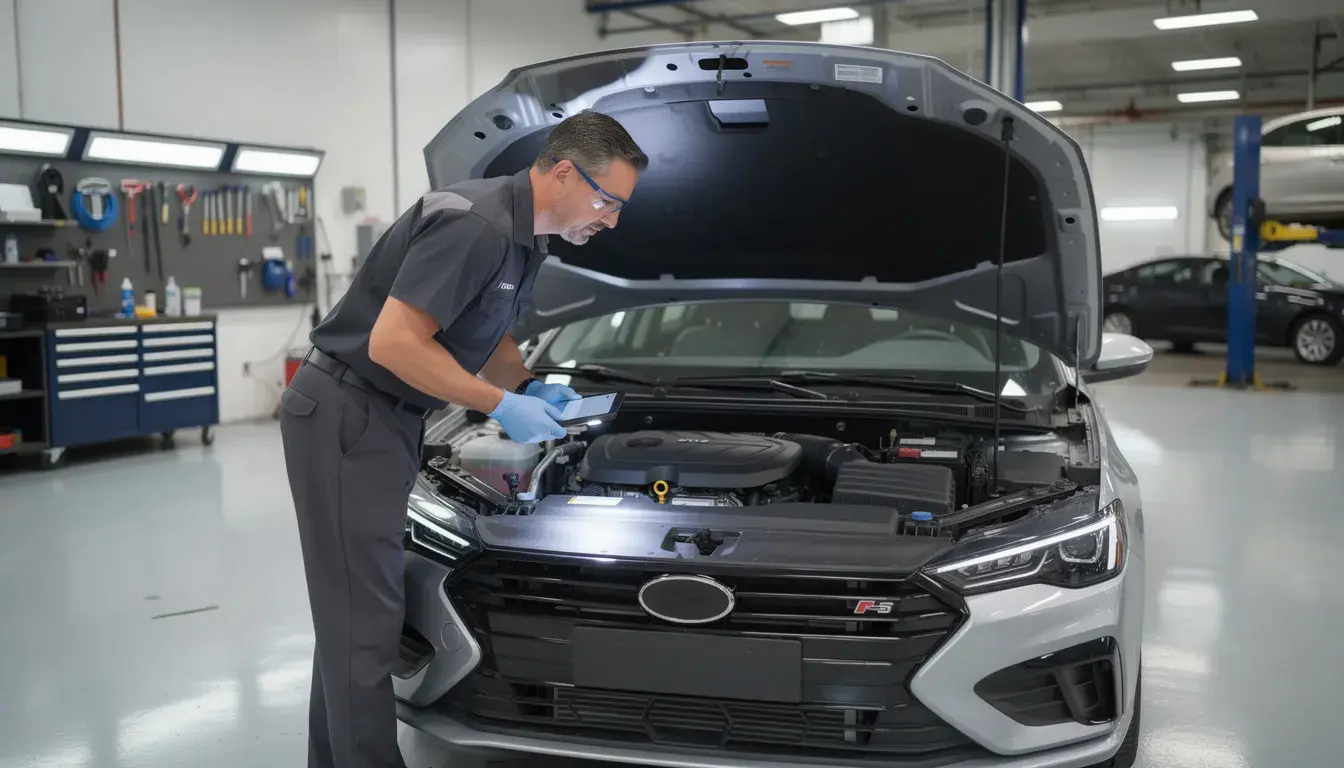
What To Check Before You Buy A Used Hyundai
A smart pre-purchase checklist is crucial, even for reliable brands like Hyundai. These steps help you avoid costly mistakes and drive away confident in your decision.
Vehicle History and Recalls
Reviewing a CARFAX or similar report should be your beginning point for any used vehicle evaluation. Look for accidents, title issues, ownership history, and maintenance records. The report often reveals patterns—like consistent service intervals—that indicate how previous owners treated the vehicle.
Beyond general history, confirm all Hyundai recall campaigns have been completed. This is especially important for engines and airbag systems on certain model years. Hyundai’s recall information is accessible through their website or by providing your VIN to a dealer.
Professional Inspection
A pre-purchase inspection focusing on engine noise (especially during cold starts), transmission behavior, fluid condition, leaks, and suspension wear protects you from inheriting someone else’s deferred maintenance. At Merit Auto Group, each vehicle goes through a 70-point inspection before being offered for sale, addressing these concerns before you even schedule a test drive.
Test Drive Specifics
Don’t limit your test drive to a quick spin around the block. Test highway merging to evaluate power and transmission response. Drive through city stop-and-go to check for hesitation or rough shifting. Practice braking and parking maneuvers. Listen for unusual noises and feel for vibrations or shuddering during acceleration. The more conditions you test, the better you’ll understand what you’re buying.
Ownership Costs
Factor in insurance quotes for the specific model and your driving profile. Consider fuel economy relative to your daily mileage—Hyundais often deliver average to above-average efficiency depending on the model. Research typical maintenance intervals and parts costs, keeping in mind that Hyundais generally have reasonable service expenses compared to many European brands.
Warranty and Financing
Ask the dealer about any remaining factory coverage, dealership limited warranties, or certified programs that might apply. Understanding your warranty situation provides security against unexpected repairs. Additionally, explore available financing options for different credit situations—reputable dealers often work with multiple lenders to find terms that fit your circumstances.
Buying A Used Hyundai From Merit Auto Group In Jacksonville, FL
At Merit Auto Group, we operate two campuses in Jacksonville, specializing in inspected, warrantied pre-owned vehicles—including many Hyundais that represent exactly the kind of value we’ve discussed throughout this guide.
Inventory Highlights
We typically stock popular Hyundai models including the Elantra, Sonata, Tucson, Santa Fe, and occasionally the Palisade and Kona. Model years often range from about 2016–2023, depending on current availability and what meets our quality standards. We encourage interested shoppers to browse our online inventory for current Hyundai listings and check back regularly as our selection updates.
Inspection and Transparency
Every vehicle on our lot goes through a comprehensive 70-point inspection process designed to catch issues before they become your problem. We provide a free CARFAX report for every vehicle so buyers can review accidents, ownership history, and service records. This transparency lets you make informed decisions rather than gambling on unknowns.
Financing and Trade-Ins
We offer financing options for a wide range of credit situations, including buyers with limited or imperfect credit. Our finance team works with multiple lenders to find terms that work for your budget. We also accept trade-ins and provide upfront, hassle-free pricing to simplify the entire purchase process—no negotiation games or hidden fees.
Peace of Mind
Our limited warranty offerings provide extra protection on top of any remaining Hyundai factory coverage. This additional coverage means you’re not left completely exposed if something unexpected happens after your purchase. Local shoppers from Jacksonville and surrounding areas—Orange Park, St. Augustine, Fernandina Beach, and beyond—are welcome to visit in person or start the process online.
If you’re ready to explore used Hyundai options, our team is here to help you find an affordable, reliable vehicle that fits your needs and budget.

FAQ: Hyundai Reliability And Buying Tips
This FAQ covers common questions about Hyundai ownership and the used-car buying process that weren’t fully addressed in the sections above.
Is a high-mileage Hyundai (over 100,000 miles) still worth buying?
A Hyundai with 100,000 to 150,000 miles can still be a solid purchase if it has a clean history, consistent maintenance records, and passes a thorough mechanical inspection. Many Elantra, Sonata, Tucson, and Santa Fe models comfortably run past 180,000 miles with proper care. Pay close attention to timing of major services like transmission fluid changes, spark plug replacements, and coolant flushes. Prioritize vehicles inspected by a reputable dealer like Merit Auto Group where these details have already been verified.
Do Hyundai warranties transfer to second owners?
Hyundai’s famous 10-year/100,000-mile powertrain warranty usually applies only to the original owner and typically drops to 5 years/60,000 miles for subsequent owners. Some certified pre-owned programs can extend coverage, but terms depend on the specific program and the vehicle’s original in-service date. We recommend verifying exact coverage with Hyundai directly or the selling dealer, and consider dealer-provided limited warranties for extra peace of mind.
Are Hyundai hybrids and EVs good choices used?
Hyundai’s hybrid and EV models—including the Ioniq, Ioniq 5, Kona Electric, and hybrid versions of the Sonata and Tucson—have generally reviewed well for efficiency and technology integration. When buying used, check battery warranty status, which often extends up to 8 years or 100,000 miles on hybrid and EV components for many models. Review any past battery or charging system repairs in the vehicle history. A pre-purchase inspection for a used EV should ideally include a battery health assessment, and confirm charging compatibility with infrastructure in your area.
Are parts and maintenance expensive on Hyundai vehicles?
Hyundai parts and maintenance are usually moderate in cost—often cheaper than many European brands and comparable to other mainstream Asian manufacturers. Routine services like oil changes, brake replacements, tires, and filter swaps are straightforward, and many independent shops are familiar with Hyundai models. Ask the service department or salesperson for an estimated maintenance schedule and average annual cost for the specific model and mileage you’re considering.
Should I buy a Hyundai from a private seller or a dealership?
Both options can work, but dealerships like Merit Auto Group typically offer significant advantages: multi-point inspections, free CARFAX reports, limited warranties, and financing options. Private sales may offer slightly lower upfront prices but rarely include guarantees, structured inspections, or easy financing access. If you prioritize peace of mind, clear documentation, and support after the sale, a reputable used-car dealer is usually the safer choice.